Rosa Schmitt · 1 September 2026
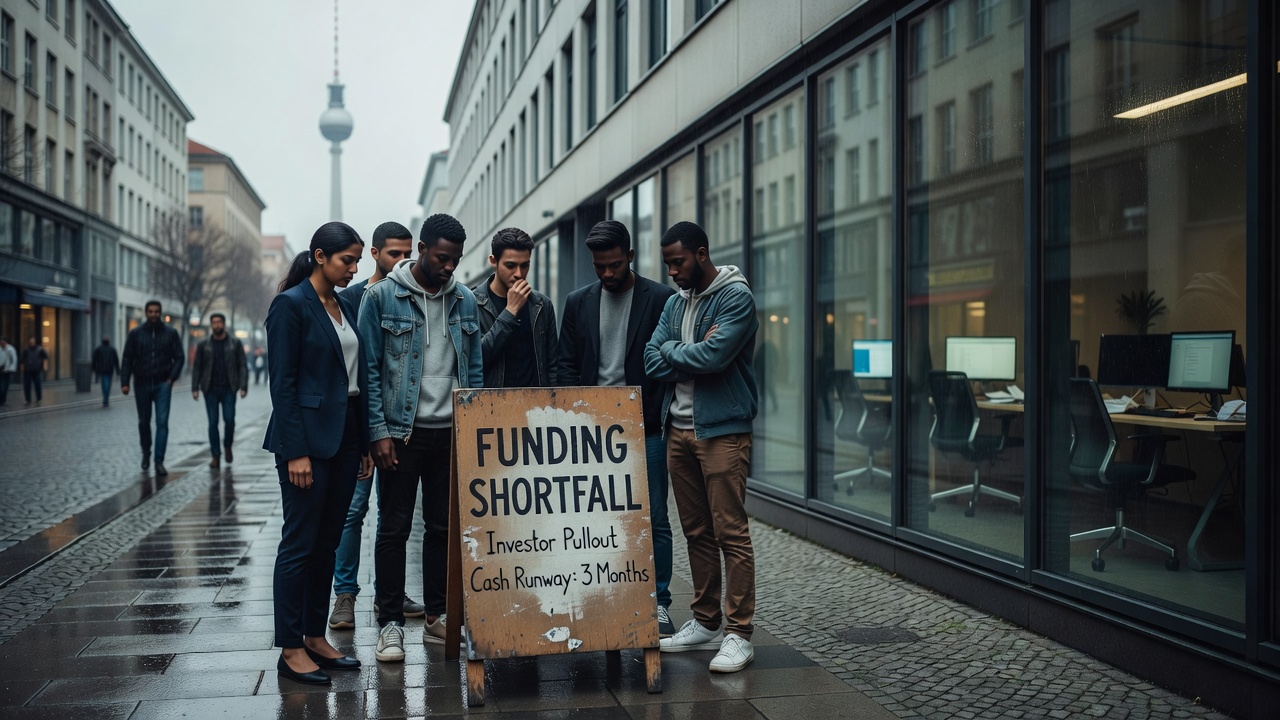
The Berlin startup scene is currently facing a significant funding drought that threatens its growth and innovation potential. Many founders are finding it increasingly difficult to attract venture capital as global economic conditions tighten.
Current State of Funding
According to industry analyses, funding rounds for Berlin-based startups have plummeted in the last twelve months. Total investments have dropped from over two billion euros in 2022 to less than one billion in the current year. This represents a substantial contraction that affects both seed and later-stage companies. High interest rates have made borrowing more expensive, prompting investors to adopt a more selective approach. As a result, only startups with proven traction and clear paths to profitability are securing deals. The fintech sector, which was previously booming, has seen the sharpest decline. Healthtech and greentech areas are also experiencing delays in closing rounds. Founders are now spending more time on fundraising efforts, often pitching to dozens of investors without success. This situation has led to a reevaluation of business models, with many shifting focus towards revenue generation rather than user acquisition. Support from local accelerators has become crucial, providing mentorship and small grants to bridge gaps. The German government has introduced new programs aimed at sustaining the ecosystem, including subsidized loans and innovation funds. However, the impact of these initiatives remains to be seen in the coming quarters. Additionally, the number of exits through acquisitions or IPOs has decreased, reducing returns for early investors and further dampening enthusiasm for new commitments.
Effects on Entrepreneurs and Outlook
Entrepreneurs in Berlin are adapting by exploring alternative funding sources such as crowdfunding platforms and strategic partnerships with corporations. Some are relocating parts of their operations to more favorable jurisdictions, though most remain committed to the city due to its vibrant community and access to talent from universities. The mood at recent pitch events has been cautious, with discussions centering on survival strategies rather than ambitious expansion plans. Despite the challenges, the underlying strengths of the Berlin scene, including its diversity and creativity, position it well for recovery when market conditions improve. Analysts predict that the drought may last another year or two before stabilizing. In the meantime, resilience and prudent financial management will be key for startups navigating this period. Collaboration among founders, sharing resources and knowledge, is emerging as a common tactic to weather the storm. Overall, while the funding drought poses serious risks, it may also lead to a more sustainable and mature startup landscape in the long run.